
Ep. 161: The Lost Art of Sacrifice

Ep. 161: The Lost Art of Sacrifice

On the podcast – 

The Lost Art of Sacrifice

Remember when you were dating—those extra drives across town, late-night phone calls, sweet notes, and the way you rearranged your whole schedule just to be together? Back then, sacrifice felt natural. But somewhere along the way, many couples lose that intentionality.

In this episode, we dive into what it means to rediscover sacrificial love in marriage—not as a duty, but as a reflection of Christ’s love. From everyday acts of kindness to laying down pride and preferences, we’ll unpack why sacrifice is foundational for intimacy, trust, and unity.

💡 What You’ll Learn in This Episode

  • Why couples often lose the art of sacrifice after marriage
  • How sacrifice builds trust, intimacy, and a “we” mindset instead of “me vs. you”
  • Practical, everyday ways to reignite sacrificial love
  • The difference between being a doormat and choosing sacrificial love
  • How reflecting Christ’s love through sacrifice impacts your marriage, your children, and your witness to the world

📖 Scripture References

  • John 15:12–13 — “Greater love has no one than this: to lay down one’s life for one’s friends.”
  • Ephesians 5:25 — “Husbands, love your wives, just as Christ loved the church and gave himself up for her.”
  • Romans 5:8 — “But God shows his love for us in that while we were still sinners, Christ died for us.”
  • John 13:35 — “By this all people will know that you are my disciples, if you have love for one another.”

🛠️ Practical Takeaways

  • Put your phone down and give your spouse your full attention
  • Do an errand your spouse dislikes
  • Give up a preference to honor theirs
  • Lay down pride and be the first to apologize
  • Pray together even when life is busy

Challenge for the Week:

Choose one intentional act of sacrifice—big or small—for your spouse and see how it impacts your connection.

Let’s Connect:

If you found this episode helpful, please subscribe, leave a review, and share it with someone who needs it. Together, we can spread hope and equip more marriages to thrive—no matter the season they’re in.

💌 Stay Connected:

Want more tools and encouragement for your marriage?
📬 Sign up for our weekly newsletter: https://expeditionmarriage.org/newsletter
👥 Learn about counseling: https://expeditionmarriage.org/marriage

Thanks for tuning in!
If you enjoyed this episode, be sure to share it with a friend and tag us. We love hearing how you’re reclaiming your time and connection in this noisy world!


Follow us!

https://www.instagram.com/expedition_marriage/

https://pinterest/expedition_marriage.org

Need extensive help for your marriage? Ask us about our Couple’s Sessions or our Weekend-intensive Marriage Reboot

When you share your email address with us, the personal information you provide is used to send you the requested free resources and relevant offers, promotions, and updates to help encourage and support you in your marriage. Your information will not be shared with anyone outside of Expedition Marriage. You can unsubscribe at any time by clicking the tab at the bottom of all emails.

We’d LOVE to hear from you! Comment below, email us, or DM us on Instagram.

*Disclaimer: The information discussed here is meant for entertainment purposes and is not meant to replace counseling or working with a trained healthcare professional.

*Disclaimer: The information discussed here is meant for entertainment purposes and is not meant to replace counseling or working with a trained healthcare professional.

Christian marriage counseling and marriage coaching online

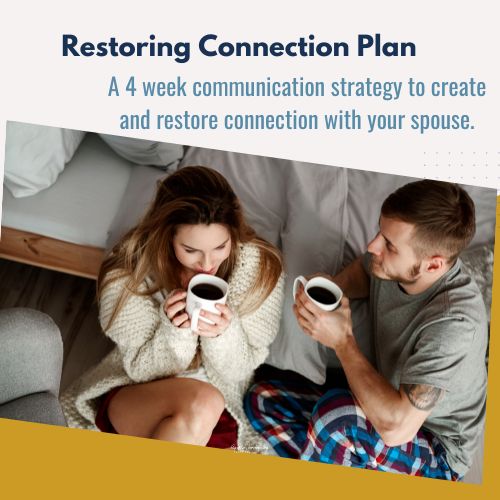
Do you feel like you are all alone in your marriage?

Are your schedules so busy with work and taking care of your family that you are simply too tired to connect?

Wouldn't it be great if you could move from exhausted and alone to connected and supported?

To feel like you were part of a team?

Only $49.99.
What’s Not Normal in Marriage

What’s Not Normal in Marriage

What’s Not Normal in Marriage

Marriage is meant to be a safe and sacred space built on honesty, mutual respect, and emotional safety. But sometimes, what’s become normal in a relationship is anything but healthy. When confusion and secrecy start showing up more than trust and connection, it’s time to pause and take an honest look what might be happening.

Here are a few things that are not normal in a healthy, God-honoring marriage — even if you’ve been told they are:

🔒 Hidden Passwords or Secret Conversations

Transparency is the foundation of trust, and trust is foundational in marriage. When passwords are hidden or text conversations are kept secret, it breeds uncertainty and suspicion. A spouse who is walking in integrity has no reason to keep their phone, messages, or online life in the dark.

If you find yourself constantly wondering what’s on your spouse’s phone or feeling uneasy about what they might be hiding, that’s not “being controlling”, that’s your God-given discernment alerting you that something’s off. This is especially true if your spouse refuses to let you see their phone.

Scripture reminds us:

“The Lord detests lying lips, but he delights in people who are trustworthy.” — Proverbs 12:22

Healthy marriages thrive in the light, not behind screens or secret passcodes.

💔 Dismissed Feelings: Dealing with Disbelief and Invalidations

Being told “you’re overreacting” or “it’s not a big deal” when you’re clearly hurt is not normal. It’s dismissive. Emotional invalidation eats away at connection and leaves you feeling unseen and unheard.

When your gut says something isn’t right, or if something truly bothers you, and your spouse continually minimizes it, confusion and self-doubt grow. And that’s not love, that’s manipulation or avoidance.

Healthy communication sounds like:

“I can see this really bothers you. Help me understand why.”
Not: “You’re too sensitive.”

Love doesn’t try to silence you. It makes efforts to hear you.

🪞 Their Friends, Phone, or Hobbies Always Come First

Yes, balance is important, and friendships and hobbies matter. But when your spouse consistently prioritizes everything else over you, that’s not normal partnership in marriage.

Marriage requires intentional time and emotional investment. If you always feel like you’re coming in last, the issue isn’t your neediness, it’s the lack of mutual prioritization.

Remember:

“Let each of you look not only to his own interests, but also to the interests of others.” — Philippians 2:4

Love makes time, energy and space for one another.

💳 Chronic Lies About Money or Whereabouts

A lie is never small when it’s repeated. When there’s dishonesty about spending, location, or relationships, that pattern slowly erodes safety.

You deserve truth, not half-truths or constant explanations that just “don’t add up.” Trust will only exist where honesty does.

If lying has become common, it’s not a “communication issue,” it’s a truth and integrity issue. And truth is the very oxygen of intimacy.

⚠️ Being Told to Believe What You Know Is a Lie

If you’re told you’re imagining things or “crazy” for seeing what’s right in front of you, that’s not normal, it’s gaslighting.

Gaslighting distorts your reality to make you question yourself. It’s emotionally abusive and deeply damaging to your sense of safety.

“The truth will set you free.” — John 8:32
God’s Word never calls us to deny reality to maintain peace. He calls us to walk in truth and wisdom.

🌀 Anything That Breeds Confusiontroubled marriage, marriage counseling

Here’s the bottom line:
Anything that continually breeds confusion in your relationship is meant to. And that’s why it’s not normal. (Read that again if you need to)

Confusion is not from God. His ways bring peace, clarity, and conviction, not constant second-guessing and emotional chaos.

“For God is not a God of confusion but of peace.” — 1 Corinthians 14:33

If you’re constantly left wondering what’s real and what’s not, it’s time to take a step back, pray for discernment, and seek wise, biblical counsel.

💡 A Word of Hope

If you’re reading this and realizing that some of these things sound familiar, take heart.  Awareness is the first step toward healing.

You don’t have to stay stuck in a cycle of secrecy, confusion, or dismissal. God sees the pain that’s hard to put into words, and He wants to lead you toward truth and restoration.

Healing doesn’t begin by pretending everything is fine. It begins by bringing the truth into the light.

“The light shines in the darkness, and the darkness has not overcome it.” — John 1:5

If you need clarity and help in your marriage, please contact us for counseling or make use of our other resources.

Or for some encouragement, check out A Message From God for Your Hurting Marriage

When you share your email address with us, the personal information you provide is used to send you the requested free resources and relevant offers, promotions, and updates to help encourage and support you in your marriage. Your information will not be shared with anyone outside of Expedition Marriage. You can unsubscribe at any time by clicking the tab at the bottom of all emails.

[dipl_posts_ticker ticker_label=”Recent Posts” _builder_version=”4.27.4″ _module_preset=”default” global_colors_info=”{}” _i=”0″ _address=”0.2.0.0″ theme_builder_area=”post_content” /]

What do I do if my Spouse Wants a Divorce and I Don’t?

What do I do if my Spouse Wants a Divorce and I Don’t?

What do I do if my Spouse Wants a Divorce and I Don’t?

Nothing is more heart-wrenching than sensing or knowing your spouse has one foot out the door. It’s a challenging, painful place to be—but it may not be as hopeless as it feels. If this is the pace you’re finding yourself in, here are some practical steps you can take in your fight for your marriage.

1) Respond—Don’t React

Chaos breeds reaction. When your spouse appears emotionally checked out, your instinct might be to panic or plead. Instead, take a deep breath and choose your response wisely. Your calm presence can create space for pause rather than push them away.

2) Lean In and Listen

Don’t argue the details or defend yourself. Simply invite them to share how they’re feeling—because understanding what’s causing their exhaustion is the first step toward healing. By listening, you breathe hope into a situation that may feel hopeless.

Or for some encouragement, check out A Message From God for Your Hurting MarriageExample language you could use:

“I’m so sorry that we’ve gotten here, and I want you to know I will do everything I can to save our marriage. I still want to be married to you.”

3) Work on You

Pull back from the blame game. Instead, focus on becoming a safer, more present spouse. Ask yourself:

  • Have I swept underlying problems under the rug?
  • Do I avoid conflict or handle it poorly?
  • Have I neglected to set healthy boundaries?

Improving yourself doesn’t force change—it invites it by modeling what safe, relational love looks like.

4) Let Your Efforts Speak

You may take steps forward while your spouse holds back. That’s okay. Your authentic transformation can serve as an invitation—not a demand—for them to stay. If they do choose to walk away, you will know you did everything you could.


5) Get Help

Or for some encouragement, check out A Message From God for Your Hurting Marriage

You don’t have to walk this alone. Talking to a trusted counselor or coach creates a safe space for repair, guiding you through healing whether or not your spouse fully participates.


Healing Prayer:

Lord, right now my heart feels broken, and hope feels fragile. Yet, even here, You are working. Soften our hearts as a couple, bring clarity and calm to any chaos or discouragement, and show us how to repair what’s been fractured. May Your grace be the bridge that restores connection. In Jesus Name, Amen.

If this resonates with your journey, know that we’re here to walk alongside you. Reach out anytime—or explore our Counseling & Coaching services for tailored support.

Or for some encouragement, check out A Message From God for Your Hurting Marriage

When you share your email address with us, the personal information you provide is used to send you the requested free resources and relevant offers, promotions, and updates to help encourage and support you in your marriage. Your information will not be shared with anyone outside of Expedition Marriage. You can unsubscribe at any time by clicking the tab at the bottom of all emails.

[dipl_posts_ticker ticker_label=”Recent Posts” _builder_version=”4.27.4″ _module_preset=”default” global_colors_info=”{}”][/dipl_posts_ticker]

When You’re Fighting for Your Marriage Alone: Where Real Strength Comes From

When You’re Fighting for Your Marriage Alone: Where Real Strength Comes From

*If you’re in an abusive or unsafe marriage, this message is not meant for your situation. God does not ask you to stay in harm’s way. Please seek help, support, and safety. You are deeply valued, and you are not alone.

When You’re Fighting for Your Marriage Alone BlogMarriage can be one of the most beautiful parts of life—but it can also be one of the most painful places to feel alone.

 Maybe you’re the one trying.
The one praying.
The one reading the books, initiating the conversations, suggesting counseling.
And maybe… your spouse isn’t.

If you’re feeling like you’re the only one fighting for your marriage, I want you to hear this loud and clear:

You were never meant to carry your marriage on your own.

When Your Strength Isn’t Enough

We all hit a breaking point when we realize our human strength has limits. It’s discouraging when your best effort still isn’t enough to fix what’s broken.

But here’s the truth—your strength was never supposed to be enough.

Psalm 73:26 reminds us,

“My flesh and my heart may fail, but God is the strength of my heart and my portion forever.”

God never asked you to white-knuckle your way through pain or pretend everything is fine. He simply asks you to bring your weakness to Him—because that’s where His strength comes through the most.

What If My Spouse Refuses to Do the Work?

This may be one of the hardest places to land in a marriage:
You’re ready to grow, you desperately want to heal, and surrender to God—but your spouse is unwilling.

Maybe they don’t want counseling.
Maybe they won’t talk about deeper issues.
Maybe they’ve checked out emotionally or spiritually.

And you’re left wondering, “How can this work if I’m the only one working?”

Here’s the hope:
God can still work in your marriage—even when your spouse won’t.

Psalm 46:1 says,

“God is our refuge and strength, an ever-present help in trouble.”

God doesn’t disappear when your spouse pulls away. In fact, He often draws nearer. He sees your effort. He honors your faithfulness. And He promises to carry you when it feels like you can’t carry anything—or anyone—else.

What Can You Do?

While you can’t change your spouse, here’s what you can do:

  1. Anchor Yourself in God’s Truth

Your worth is not measured by your spouse’s choices.
God’s love for you is unshakable, and your obedience is not wasted.

Isaiah 40:29 says,

“He gives strength to the weary and increases the power of the weak.”

  1. Pray—But Release Control

Yes, pray for your spouse. But don’t make their transformation your responsibility.
Ask God to do what only He can do in their heart—and rest in knowing He’s at work even when you can’t see it.

  1. Protect Your Heart with Boundaries

Boundaries are not about punishment—they’re about protecting what’s healthy.
If your spouse isn’t pursuing God, that doesn’t mean you stop. Keep growing, keep guarding your peace, and don’t compromise your walk with Christ.

  1. Find Safe, Godly Support

Don’t walk this road alone. Talk to a counselor, a mentor, or a trusted friend who can offer support without judgment. Sometimes the most spiritual thing you can do is simply ask for help.

A Final Word of Hope

Even if you're spouse isnt' showing up, God always will2 Corinthians 12:9-10 says,

“My grace is sufficient for you, for my power is made perfect in weakness… for when I am weak, then I am strong.”

This isn’t just true in theory—it’s true for you.

If your marriage feels one-sided right now, don’t give up.
God isn’t finished with your story.
And even if your spouse isn’t showing up, God always will.

Your role is to stay close to Him. To listen for His voice. To obey what He is asking you to do today—even if your spouse isn’t willing to join you yet.

Because when your strength runs out, His never does. None of this guarantees the outcome you may be desiring, but if you abide in the Lord, His direction will be clear, and His grace will be sufficient. He will make straight the path to follow going forward.

Reflection Questions:

  • Where am I relying on my own strength instead of leaning into God’s?
  • What’s one area in my marriage I need to surrender today?
  • Who can I invite into my journey for support?

If this resonates with you, we want you to know—we’re with you.
And more importantly, God is with you. He’s holding you, equipping you, and working even when it feels like nothing’s moving.

You are not alone.

Find more paid and free resources at www.expeditionmarriage.org

Want More?

Listen in as we discuss this issue on Ep. 142: When You’re Fighting for Your Marriage Alone on the Expedition Marriage Podcast.

—Chris & Jamie
Expedition Marriage

[dipl_posts_ticker _builder_version=”4.27.4″ _module_preset=”default” theme_builder_area=”post_content” ticker_label=”Recent Posts” hover_enabled=”0″ sticky_enabled=”0″][/dipl_posts_ticker]

When the Past Shows Up Uninvited in Your Marriage

When the Past Shows Up Uninvited in Your Marriage

 “We feel the present with the intensity of the past, but have no idea the past is being evoked.”

—Dr. Dan Siegel

Have you ever felt something rise up in you during an argument with your spouse that seemed… disproportionate?
 Like they said something small, but your emotional response was huge?

Welcome to the world of implicit memory.

What Is Implicit Memory?

Most of us are familiar with explicit memory—the memories we can explain and recall. But implicit memory is different. It’s the kind of memory stored in the body and emotional brain—unconscious but deeply felt.

It’s the feeling of being dismissed, abandoned, unseen, or unsafe—not always because of your spouse, but because something from your past is being activated in the present.

And unless we become aware of it, we’ll keep reacting to our spouse based on pain they didn’t cause.

How Implicit Memories Show Up in Marriage

  • You feel rejected when your spouse gets quiet—but it may trace back to feeling ignored as a child.

  • You overreact when your spouse is late—not because of the moment, but because it touches an old wound of feeling unimportant.
  • You shut down during conflict—because growing up, expressing emotion wasn’t safe.

These reactions often confuse both spouses. One feels misunderstood, the other feels attacked or abandoned.

But here’s the hope: awareness is the beginning of healing.

What Scripture Says About Healing the Unseen

Psalm 139:23-24 says,
“Search me, O God, and know my heart… see if there is any offensive way in me, and lead me in the way everlasting.”

God knows the hidden places in our hearts—even the ones we’ve buried. And He invites us to bring them into the light.

Healing doesn’t begin with fixing—it begins with naming. With noticing. With letting Jesus walk us back to the story behind the feeling… so we can respond from grace instead of pain.

What You Can Do

  • Pay attention to when your reaction feels bigger than the moment.

  • Ask yourself: “Is this about now… or something older?”

  • Share with your spouse: “I think there’s more to this for me than just what happened today.”
  • Invite God to reveal what’s underneath, and trust Him with it.

Listen to the Full Episode

We dive deeper into this on the latest episode of the Expedition Marriage podcast:
🎙️ When the Past Shows Up Uninvited: Understanding Implicit Memory in Marriage

Remember: Your past might explain your reactions, but it doesn’t have to control your future. With awareness, grace, and God’s help, your marriage can become a place of healing—not just for your relationship, but for your story.

When the past shows up uninvited in your marriage

Feeling Stuck in Your Marriage? You’re Not Alone

Feeling Stuck in Your Marriage? You’re Not Alone

Feeling Stuck in Your Marriage? You’re Not Alone

If your marriage feels stuck right now—like no matter what you try, nothing is working—I want to remind you of something important:

You are not alone.

Maybe you’ve done the work.
You’ve had the conversations, read the books, scheduled the date nights, and prayed all the prayers.

But the disconnect is still there. The hurt still lingers. The changes you long for seem slow… or even non-existent.

And maybe, deep down, you’re beginning to wonder if anything you do even matters.

Here’s something to hold onto today:

“The opposite of stuck isn’t unstuck. It’s moving.”

Sometimes being stuck isn’t about doing something wrong. It’s about not knowing what else to do. And because of that, over time, we stop moving. We shut down. We settle into disappointment and stop believing anything will change.

But what if your stuckness is actually serving you in some way?

That’s a hard question—but an important one.

How might staying stuck actually be serving me?

  • Is it protecting me from hoping again—because if I hope, I might be disappointed?
  • Is it helping me stay small, where it feels safer and more familiar?
  • Is there a lie I’m believing—like “This will never change” or “It’s all up to me”—that keeps me from healing?
  • Have I developed a loyalty to my stuckness, because more of a victim mentality feels easier than risking vulnerability or trust?

Here’s what I know: God didn’t create you—or your marriage—for survival mode. He created you for abundance and growth.

Romans 12:2 says,

“Do not conform to the pattern of this world, but be transformed by the renewing of your mind.”

So if your heart is weary today, start with a shift in mindset. Ask God to renew your hope. To highlight the lies that need replacing. To show you just one small step you can take toward connection, healing, and restoration.

Because you don’t have to fix it all. You just have to keep moving—with Jesus leading the way.

There is hope. Even here. Even now.
Don’t stop. Just take the next step.

*This blog is not intended for anyone in a toxic or abusive marriage. If this is you, let someone know or seek professional help

*Disclaimer: The information discussed in this podcast is meant for entertainment purposes and is not meant to replace counseling or working with a trained healthcare professional.

7 Things Your Husband Would Love to Hear 

7 Things Your Husband Would Love to Hear 

7 Things Your Husband Would Love to Hear

Husbands often get a reputation for being emotionally simple—but underneath their composed exterior, many of them wrestle with insecuritiesfeelings of failure, and the pressure to provide. As wives, we have the power to speak truth over those difficult areas and breathe confidence into their hearts.

Here are seven messages every husband wants and needs to hear from their wife:

  1. “I believe in you.”

Even the most confident man needs to know his wife’s supports him and more importantly believes in him. Saying this lets him hear, “I see you. I trust you. I’m behind you all the way.”

  1. “It’s okay to take time for yourself.”

Men often feel guilty about or dismiss their need to take care of themselves. Remind your husband that rest, hobbies, or time with friends isn’t selfish—it’s necessary for his well-being. Tell him it’s okay to take the time and then help him find the time to take.

  1. “I appreciate your efforts.”

Too often, a husband’s hard work—both seen and unseen—goes unnoticed. A heartfelt “thank you” lightens his load and tells him his sacrifices matter. Your gratitude will go a long way.

7 Things Your Husband Would Love to Hear

  1. “It’s okay to fail—you’re still capable.”

Many husbands fear failure more than anything. Let him know that mistakes don’t define him; they’re part of growth. Your encouragement gives him permission to try again. Want more on husbands and fear of failure? Check out https://expeditionmarriage.org/podcast/ep-33-what-wives-need-to-know-about-husbands-and-failure/?utm_source=chatgpt.com

  1. “I don’t hold the past against you.”

Release past hurts and truly let them go. When a husband knows he isn’t under continuous scrutiny, he’s more likely to live and love courageously. There’s a lot of power in forgiveness for both you and your husband.

2 More Things Every Husband Needs to Hear

  1. “I respect the leader I see in you.”

Whether he’s leading prayers at the table or making tough calls at home, it matters when his wife acknowledges his role. Respect empowers him to step into his God-given calling with confidence—and paves the way for mutual submission and unity.

  1. “I trust your heart.”

In a world that’s full of suspicion and pressure, telling your husband you believe in his intentions communicates security—and God-honoring trust. Letting your husband know that you believe he is for you and for what is good, will provide him relief from any burden of his character being doubted.

Speak Life Over Your Husband

Why This Matters

Every kind word you give your husband will help form the foundation of his emotional resilience. When he hears these truths, especially from you:

  • He feels valued instead of overlooked
  • He’s more likely to rest in the safety of your marriage and your heart
  • His confidence in leadership and character grows
  • He’s empowered to love you and your family well

Letting your husband hear your heart—even in simple, everyday moments—can completely shift the atmosphere of your marriage. It doesn’t need to be grand: a note, a casual “thank you,” or a hug after a long day can say more than words ever could.

Want some handy reminders?

Download our “Encouraging Things to Say to Your Husband” cheat sheet—filled with easy, and hopefully authentic to you phrases that can create genuine connection (link here).

Next Step Challenge

Pick one of these seven truths and speak it to your husband this week. Maybe say it out loud, text it, or write it down—Be so genuine that he really feels it.

Marriage isn’t just about surviving—it’s about speaking life, grace, and love into the heart of the man who’s on this lifelong journey with you.

Finding Peace in Letting Go of Control in Your Marriage

Finding Peace in Letting Go of Control in Your Marriage

Have you ever noticed how our desire to feel safe and in control can lead us down a path of trying to control everything around us—especially in our marriages? I’ve been there before, and let me tell you, it never ends well. The truth is that whenever we try to control what is not ours to control, we end up feeling anxious and weighed down.

Why There Is Peace In Letting Go

Finding Peace in Letting Go of Control in Your Marriage

When we attempt to control everything—our spouse’s emotions, their reactions, their choices, or even our life circumstances—it often stems from a genuine longing for safety. We want to avoid pain, protect our families, and keep life as smooth as possible. Trust me, I’ve been guilty of this too many times. But the reality is, we weren’t designed to carry that weight. God didn’t create us to control every outcome or anticipate and prevent every bad thing from happening.

The more we try to take on the role of protector, peacekeeper, and life manager for our spouse, the more overwhelming it becomes. And what’s the result? We’re left feeling anxious, frustrated, and disconnected from the very person we’re trying to protect.
The reason is simple: we weren’t meant to be in control.
God is.

In Proverbs 3:5-6, we’re reminded of this foundational truth: “Trust in the Lord with all your heart and lean not on your own understanding; in all your ways submit to Him, and He will make your paths straight.” This is God’s gracious invitation for us to loosen our tight grip on control and instead place our trust in Him. He calls us to release the weight we’ve been trying to carry and believe that He is more than capable of handling what we cannot.

If you’re feeling that constant tension of trying to keep everything in line—whether it’s managing your spouse, your marriage, or preventing every possible problem in your family—take heart. Not only do you not have to be in control, but you also aren’t supposed to be. When you release that need to manage every outcome, you make room for God to work in your life. You create space for His peace to replace your anxiety. (Insert deep breath here.)

Start With One Thing

Psalm 46:10 offers this beautiful reminder: “Be still, and know that I am God.” When we allow ourselves to be still and trust that God is in control, we find the safety we’ve been searching for—not in our ability to manage everything, but in God’s unwavering faithfulness.

So, here’s a question to ask yourself today: What’s one area in your marriage or family where you’re holding on too tightly? Where have you been trying to control something that isn’t yours to control? Take a moment to reflect on it. Whatever it is, I encourage you to release it into God’s hands. He is trustworthy, He is good, and He is more than able to carry what you cannot.

Let go of the anxiety that comes with trying to be in control, and lean into the peace that comes from trusting God instead. Remember, He’s got you, your spouse, and your family in His loving and capable hands.

Embracing Hard Truths in Marriage: Why Emotionally Satisfying Answers Won’t Bring Healing

Embracing Hard Truths in Marriage: Why Emotionally Satisfying Answers Won’t Bring Healing

The other day, I listened to an eye-opening podcast interview with Lisa Fields, an author and apologetics teacher. She shared something powerful about what it means to wrestle with God, and it immediately struck a chord with me. Lisa pointed out that, as believers, many of us struggle when the answers we receive from God don’t meet our emotional expectations. She said, “For many of us, our goal line for God is emotionally satisfying answers. If the answers aren’t emotionally satisfying, we struggle to accept them or believe they’re true.”

I couldn’t help but reflect on how this applies not only to our faith journeys but also to our marriages. We’ve all had those moments where we’re wrestling with God—asking questions like, “Why does this have to happen?”“Why isn’t this fair?”, or “Why should I forgive them when I’ve been hurt so badly?” The truth is, those moments of wrestling often come because we’re searching for answers that feel good, rather than the ones that are grounded in truth.

Why We Gravitate Toward “Comforting Lies”

Have you ever watched the TV show Catfish? The whole premise of the show is to help people uncover whether they’ve been deceived by someone pretending to be someone else online. Or perhaps you’ve seen an episode of Dr. Phil where someone, often an elderly widow, has been scammed into believing a far-fetched love story, even as their bank account is drained. In both cases, the victims are presented with all the evidence they need that they’re being lied to—but they still struggle to believe the truth.

It’s frustrating to watch because, as outsiders, it’s easy to see the blatant red flags. The lies are obvious: someone says they’re from Atlanta, but they have a foreign accent; they constantly need financial help for emergencies, but they can never meet in person. And yet, despite factual proof, the victims don’t want to believe they’re being deceived. The reason? The truth is painful. Emotionally, it’s easier to believe the comforting lies than to face the reality of the situation.

embracing hard truths in marriage title image

How This Relates to Marriage

The same thing happens in our marriages. We may find ourselves in difficult situations—maybe it’s ongoing conflict, resentment, or unmet expectations—and instead of addressing the real issues, we look for emotionally satisfying answers. We may think, “If they would just change, everything would be fine,” or “I’ll feel better once this problem goes away.”But the reality is that avoiding hard truths only prolongs the pain. In fact, it often makes things worse.

I’m not sure what struggles you may be facing in your marriage right now, but here’s what I do know: searching for the answers that make you feel better won’t fix the problem. It will only delay your healing. Whether it’s the need to forgive, to work through past hurts, or to address ongoing issues, it’s time to confront the truth.

Embracing the Hard Truths with God

As difficult as it may be to accept, God’s truth is what will set you free in your marriage. It’s easy to fall into the trap of ignoring the Holy Spirit’s nudges because the truth feels too painful or hard to deal with. But here’s the thing: God’s truth isn’t just something to accept—it’s something that can liberate you and your marriage.

Ignoring hard truths in favor of emotionally satisfying answers may bring temporary relief, but it doesn’t bring lasting peace. It’s like putting a bandage over a deep wound instead of getting the stitches you need for real healing.

So, whatever it is that you’re avoiding, whatever truth you know in your heart that you need to face—take the first step today. Whether it’s a difficult conversation with your spouse, addressing a long-standing issue, or confronting something within yourself, know that God will walk with you through it. He will guide you, sustain you, and bring healing to your marriage.

embracing the hard truths in marriage quote image

God’s Truth Is the Foundation for Healing


In John 16:13, Jesus promises, 
“But when He, the Spirit of truth, comes, He will guide you into all the truth.” The Holy Spirit is our constant companion, ready to guide us toward truth, even when it’s hard to hear. The truth may not always be emotionally satisfying, but it’s where real healing begins.

God’s truth in your marriage may require difficult choices, painful admissions, or a willingness to let go of the emotionally satisfying answers you’ve held onto. But it’s only by embracing the truth—no matter how hard—that you’ll find the freedom and healing you’ve been longing for.

Take heart in knowing that God is with you. He is Truth, and His truth will sustain and guide you, no matter how tough the journey may seem. Trust Him to lead you and your marriage into a place of healing, peace, and restoration.

Moving Forward in Truth

I encourage you today: whatever the hard truth is that you’ve been avoiding, face it with courage and trust in God. Stop searching for answers that simply soothe your emotions and start seeking the truth that will set you free. Your marriage is worth the work. The freedom that comes from living in God’s truth is far better than any temporary comfort you may find in avoiding it.

Remember, God is with you through it all, and His truth will ultimately lead you to the healing and peace you desire in your marriage.

By shifting the focus from seeking emotionally satisfying answers to embracing God’s truth, we can experience the kind of freedom and healing that transforms our marriages. Let’s trust in His guidance and walk in the truth that only He can provide.


If you need help walking through a tough season in your marriage, we’re here to help with virtual marriage coaching and counseling. Check out our services HERE.

Embracing the Freedom of Forgiveness

Embracing the Freedom of Forgiveness

As Christian marriage counselors, we’ve seen countless couples weighed down by the heavy burden of unforgiveness, whether the unforgiveness is in their marriage or from an individual hurt outside of their marriage. The same thing rings true; holding onto resentment, anger, or hurt damages your relationship with your spouse and takes a toll on your spiritual and emotional well-being. That’s why we’re excited to introduce you to a helpful new resource: Learning How to Forgive: A Devotional of Prayers and Practices to Release Negative Emotions and Achieve True Forgiveness.

Forgiveness is at the heart of Christianity, with Jesus’ sacrifice on the cross being the ultimate example of love and forgiveness. Yet, in our marriages, forgiveness can often feel like one of the hardest acts to practice. Whether it’s a small slight or a deep wound, the pain can linger, affecting how we interact with our spouse and how we see ourselves.

Why Forgiveness Matters in Marriage

In marriage, two imperfect people are bound to hurt each other, intentionally or unintentionally. It’s part of being human. But without forgiveness, those hurts can build up, creating walls that block intimacy and trust. Unforgiveness can lead to bitterness, isolation, and, sadly, even the breakdown of a marriage.

embracing the freedom of forgiveness

However, when we choose to forgive, we open the door to healing, reconciliation, and restored connection. Forgiveness doesn’t mean forgetting or excusing the hurt; it means choosing to release the negative emotions that keep you trapped in the past and prevent you from moving forward in your relationship. This new devotional is designed to help you break free from those chains and embrace the peace that comes from true forgiveness.

What This Devotional Offers

Learning How to Forgive is more than just a book; it’s a journey toward emotional and spiritual freedom. Each day’s devotional is carefully crafted to guide you through the process of forgiveness, offering:

  • Daily Prayers: Start each day by inviting God into your healing process. These prayers are designed to help you align your heart with His will and find the strength to forgive, even when it feels impossible.
  • Reflective Practices: Each devotional includes practical exercises to help you release negative emotions, whether it’s through journaling, biblical meditation, or other activities. These practices are rooted in Scripture and are designed to help you connect deeply with your emotions and with God’s truth.
  • Scriptural Insights: Drawing from the Bible, the devotional provides a solid foundation for understanding forgiveness from a Christian perspective. You’ll explore verses that speak to God’s forgiveness for us and His command that we forgive others.
  • Real-Life Applications: Forgiveness isn’t just a spiritual concept; it’s something we live out every day. The devotional includes real-life examples and scenarios to help you apply the principles of forgiveness in your marriage and beyond.

The Path to Healing and Wholeness

Forgiveness is not a one-time event; it’s a process. This devotional will walk with you step by step, helping you navigate the complexities of forgiveness in a way that is both compassionate and biblically sound. Whether you’re dealing with a small grievance or a deep betrayal, Learning How to Forgive offers the tools and support you need to find true healing.

As you journey through this devotional, you’ll discover that forgiveness isn’t just about releasing your spouse or others from their wrongs—it’s about freeing yourself from the weight of carrying those hurts. It’s about finding peace, joy, and a renewed sense of connection with your spouse, with others, and with God.

Take the First Step

the meaning of forgiveness

I encourage you to take the first step towards healing today. Whether you’re struggling to forgive your spouse, a friend, or even yourself, this devotional can be the guide you need. Remember, forgiveness is a gift from God—a gift that brings freedom, healing, and the abundant life He desires for you.

You can find Learning How to Forgive: A Devotional of Prayers and Practices to Release Negative Emotions and Achieve True Forgiveness through our affiliate link on Amazon and anywhere books are sold. May this resource be a blessing to you and your marriage as you seek to live in the fullness of God’s grace.

Blessings for your journey of healing!