Finding Peace in Letting Go of Control in Your Marriage

Finding Peace in Letting Go of Control in Your Marriage

Have you ever noticed how our desire to feel safe and in control can lead us down a path of trying to control everything around us—especially in our marriages? I’ve been there before, and let me tell you, it never ends well. The truth is that whenever we try to control what is not ours to control, we end up feeling anxious and weighed down.

Why There Is Peace In Letting Go

Finding Peace in Letting Go of Control in Your Marriage

When we attempt to control everything—our spouse’s emotions, their reactions, their choices, or even our life circumstances—it often stems from a genuine longing for safety. We want to avoid pain, protect our families, and keep life as smooth as possible. Trust me, I’ve been guilty of this too many times. But the reality is, we weren’t designed to carry that weight. God didn’t create us to control every outcome or anticipate and prevent every bad thing from happening.

The more we try to take on the role of protector, peacekeeper, and life manager for our spouse, the more overwhelming it becomes. And what’s the result? We’re left feeling anxious, frustrated, and disconnected from the very person we’re trying to protect.
The reason is simple: we weren’t meant to be in control.
God is.

In Proverbs 3:5-6, we’re reminded of this foundational truth: “Trust in the Lord with all your heart and lean not on your own understanding; in all your ways submit to Him, and He will make your paths straight.” This is God’s gracious invitation for us to loosen our tight grip on control and instead place our trust in Him. He calls us to release the weight we’ve been trying to carry and believe that He is more than capable of handling what we cannot.

If you’re feeling that constant tension of trying to keep everything in line—whether it’s managing your spouse, your marriage, or preventing every possible problem in your family—take heart. Not only do you not have to be in control, but you also aren’t supposed to be. When you release that need to manage every outcome, you make room for God to work in your life. You create space for His peace to replace your anxiety. (Insert deep breath here.)

Start With One Thing

Psalm 46:10 offers this beautiful reminder: “Be still, and know that I am God.” When we allow ourselves to be still and trust that God is in control, we find the safety we’ve been searching for—not in our ability to manage everything, but in God’s unwavering faithfulness.

So, here’s a question to ask yourself today: What’s one area in your marriage or family where you’re holding on too tightly? Where have you been trying to control something that isn’t yours to control? Take a moment to reflect on it. Whatever it is, I encourage you to release it into God’s hands. He is trustworthy, He is good, and He is more than able to carry what you cannot.

Let go of the anxiety that comes with trying to be in control, and lean into the peace that comes from trusting God instead. Remember, He’s got you, your spouse, and your family in His loving and capable hands.

Embracing Hard Truths in Marriage: Why Emotionally Satisfying Answers Won’t Bring Healing

Embracing Hard Truths in Marriage: Why Emotionally Satisfying Answers Won’t Bring Healing

The other day, I listened to an eye-opening podcast interview with Lisa Fields, an author and apologetics teacher. She shared something powerful about what it means to wrestle with God, and it immediately struck a chord with me. Lisa pointed out that, as believers, many of us struggle when the answers we receive from God don’t meet our emotional expectations. She said, “For many of us, our goal line for God is emotionally satisfying answers. If the answers aren’t emotionally satisfying, we struggle to accept them or believe they’re true.”

I couldn’t help but reflect on how this applies not only to our faith journeys but also to our marriages. We’ve all had those moments where we’re wrestling with God—asking questions like, “Why does this have to happen?”“Why isn’t this fair?”, or “Why should I forgive them when I’ve been hurt so badly?” The truth is, those moments of wrestling often come because we’re searching for answers that feel good, rather than the ones that are grounded in truth.

Why We Gravitate Toward “Comforting Lies”

Have you ever watched the TV show Catfish? The whole premise of the show is to help people uncover whether they’ve been deceived by someone pretending to be someone else online. Or perhaps you’ve seen an episode of Dr. Phil where someone, often an elderly widow, has been scammed into believing a far-fetched love story, even as their bank account is drained. In both cases, the victims are presented with all the evidence they need that they’re being lied to—but they still struggle to believe the truth.

It’s frustrating to watch because, as outsiders, it’s easy to see the blatant red flags. The lies are obvious: someone says they’re from Atlanta, but they have a foreign accent; they constantly need financial help for emergencies, but they can never meet in person. And yet, despite factual proof, the victims don’t want to believe they’re being deceived. The reason? The truth is painful. Emotionally, it’s easier to believe the comforting lies than to face the reality of the situation.

embracing hard truths in marriage title image

How This Relates to Marriage

The same thing happens in our marriages. We may find ourselves in difficult situations—maybe it’s ongoing conflict, resentment, or unmet expectations—and instead of addressing the real issues, we look for emotionally satisfying answers. We may think, “If they would just change, everything would be fine,” or “I’ll feel better once this problem goes away.”But the reality is that avoiding hard truths only prolongs the pain. In fact, it often makes things worse.

I’m not sure what struggles you may be facing in your marriage right now, but here’s what I do know: searching for the answers that make you feel better won’t fix the problem. It will only delay your healing. Whether it’s the need to forgive, to work through past hurts, or to address ongoing issues, it’s time to confront the truth.

Embracing the Hard Truths with God

As difficult as it may be to accept, God’s truth is what will set you free in your marriage. It’s easy to fall into the trap of ignoring the Holy Spirit’s nudges because the truth feels too painful or hard to deal with. But here’s the thing: God’s truth isn’t just something to accept—it’s something that can liberate you and your marriage.

Ignoring hard truths in favor of emotionally satisfying answers may bring temporary relief, but it doesn’t bring lasting peace. It’s like putting a bandage over a deep wound instead of getting the stitches you need for real healing.

So, whatever it is that you’re avoiding, whatever truth you know in your heart that you need to face—take the first step today. Whether it’s a difficult conversation with your spouse, addressing a long-standing issue, or confronting something within yourself, know that God will walk with you through it. He will guide you, sustain you, and bring healing to your marriage.

embracing the hard truths in marriage quote image

God’s Truth Is the Foundation for Healing


In John 16:13, Jesus promises, 
“But when He, the Spirit of truth, comes, He will guide you into all the truth.” The Holy Spirit is our constant companion, ready to guide us toward truth, even when it’s hard to hear. The truth may not always be emotionally satisfying, but it’s where real healing begins.

God’s truth in your marriage may require difficult choices, painful admissions, or a willingness to let go of the emotionally satisfying answers you’ve held onto. But it’s only by embracing the truth—no matter how hard—that you’ll find the freedom and healing you’ve been longing for.

Take heart in knowing that God is with you. He is Truth, and His truth will sustain and guide you, no matter how tough the journey may seem. Trust Him to lead you and your marriage into a place of healing, peace, and restoration.

Moving Forward in Truth

I encourage you today: whatever the hard truth is that you’ve been avoiding, face it with courage and trust in God. Stop searching for answers that simply soothe your emotions and start seeking the truth that will set you free. Your marriage is worth the work. The freedom that comes from living in God’s truth is far better than any temporary comfort you may find in avoiding it.

Remember, God is with you through it all, and His truth will ultimately lead you to the healing and peace you desire in your marriage.

By shifting the focus from seeking emotionally satisfying answers to embracing God’s truth, we can experience the kind of freedom and healing that transforms our marriages. Let’s trust in His guidance and walk in the truth that only He can provide.


If you need help walking through a tough season in your marriage, we’re here to help with virtual marriage coaching and counseling. Check out our services HERE.

Embracing the Freedom of Forgiveness

Embracing the Freedom of Forgiveness

As Christian marriage counselors, we’ve seen countless couples weighed down by the heavy burden of unforgiveness, whether the unforgiveness is in their marriage or from an individual hurt outside of their marriage. The same thing rings true; holding onto resentment, anger, or hurt damages your relationship with your spouse and takes a toll on your spiritual and emotional well-being. That’s why we’re excited to introduce you to a helpful new resource: Learning How to Forgive: A Devotional of Prayers and Practices to Release Negative Emotions and Achieve True Forgiveness.

Forgiveness is at the heart of Christianity, with Jesus’ sacrifice on the cross being the ultimate example of love and forgiveness. Yet, in our marriages, forgiveness can often feel like one of the hardest acts to practice. Whether it’s a small slight or a deep wound, the pain can linger, affecting how we interact with our spouse and how we see ourselves.

Why Forgiveness Matters in Marriage

In marriage, two imperfect people are bound to hurt each other, intentionally or unintentionally. It’s part of being human. But without forgiveness, those hurts can build up, creating walls that block intimacy and trust. Unforgiveness can lead to bitterness, isolation, and, sadly, even the breakdown of a marriage.

embracing the freedom of forgiveness

However, when we choose to forgive, we open the door to healing, reconciliation, and restored connection. Forgiveness doesn’t mean forgetting or excusing the hurt; it means choosing to release the negative emotions that keep you trapped in the past and prevent you from moving forward in your relationship. This new devotional is designed to help you break free from those chains and embrace the peace that comes from true forgiveness.

What This Devotional Offers

Learning How to Forgive is more than just a book; it’s a journey toward emotional and spiritual freedom. Each day’s devotional is carefully crafted to guide you through the process of forgiveness, offering:

  • Daily Prayers: Start each day by inviting God into your healing process. These prayers are designed to help you align your heart with His will and find the strength to forgive, even when it feels impossible.
  • Reflective Practices: Each devotional includes practical exercises to help you release negative emotions, whether it’s through journaling, biblical meditation, or other activities. These practices are rooted in Scripture and are designed to help you connect deeply with your emotions and with God’s truth.
  • Scriptural Insights: Drawing from the Bible, the devotional provides a solid foundation for understanding forgiveness from a Christian perspective. You’ll explore verses that speak to God’s forgiveness for us and His command that we forgive others.
  • Real-Life Applications: Forgiveness isn’t just a spiritual concept; it’s something we live out every day. The devotional includes real-life examples and scenarios to help you apply the principles of forgiveness in your marriage and beyond.

The Path to Healing and Wholeness

Forgiveness is not a one-time event; it’s a process. This devotional will walk with you step by step, helping you navigate the complexities of forgiveness in a way that is both compassionate and biblically sound. Whether you’re dealing with a small grievance or a deep betrayal, Learning How to Forgive offers the tools and support you need to find true healing.

As you journey through this devotional, you’ll discover that forgiveness isn’t just about releasing your spouse or others from their wrongs—it’s about freeing yourself from the weight of carrying those hurts. It’s about finding peace, joy, and a renewed sense of connection with your spouse, with others, and with God.

Take the First Step

the meaning of forgiveness

I encourage you to take the first step towards healing today. Whether you’re struggling to forgive your spouse, a friend, or even yourself, this devotional can be the guide you need. Remember, forgiveness is a gift from God—a gift that brings freedom, healing, and the abundant life He desires for you.

You can find Learning How to Forgive: A Devotional of Prayers and Practices to Release Negative Emotions and Achieve True Forgiveness through our affiliate link on Amazon and anywhere books are sold. May this resource be a blessing to you and your marriage as you seek to live in the fullness of God’s grace.

Blessings for your journey of healing!

Putting Your Marriage First

Putting Your Marriage First

Guest Post by Julie Baumgardner

Our dear friend Julie Baumgardner, Senior Executive Director at WinShape Marriage, knows firsthand the incredible value of prioritizing your marriage. WinShape Marriage offers the perfect setting to unplug and invest in your relationship through their various retreats. Today, Julie shares with us the importance of keeping your marriage at the top of your schedule, even when life’s demands are pulling you in every direction. Be sure to follow Julie and WinShape Marriage on Instagram to stay inspired and informed!

Well, it’s here. The lazy days of summer are coming to a close and the crazy days of fall are within sight! Some of you are counting down the days and others are sad to see the summer end.

Whichever camp you fall into, one thing’s for sure: A new season is here, and there’s a good chance it will be filled with multiple schedules, extra-curricular activities, church commitments, and more to keep up with. 

In the midst of trying to make sure your children are taken care of, it’s easy to let your marriage take a back seat – as in, “We’ll do something for us once things slow down.” However, things aren’t likely to slow down anytime soon. So how do you take care of your marriage in spite of the back-to-school chaos?

The One Thing to Help Your Children Flourish

This may sound counter to everything you’re thinking and hearing, but if you want your children to flourish during the school year, you must put your marriage first. 

I once heard a talk from John Medina, author of Brain Rules. Someone in the audience asked, “What do I need to do now in order to give my child the best chance of getting into Harvard?” 

Medina’s response? “Go home, love your spouse well, and create a safe and stable environment for your child.”

The audience dropped their jaws at this answer. Naturally, they were expecting to hear about all the different activities parents should ensure their children are involved in to set them up for success. So, receiving advice about their marriage probably seemed random at best and illogical at worst.

title pin "putting your marriage first"

Connection is the Best Thing For Your Children

The question for all of us is this: What is the merit behind the guidance? How is putting your marriage first a win? 

The underlying thought is that when parents are feeling connected and their relationship is in a healthy place, it creates a healthy environment at home where children can thrive—where they can learn, grow, make mistakes, fail, and be loved through it all. It doesn’t mean you won’t experience angst as you raise your children, but when you are connected and working together as a team, it is easier to walk through the challenges you will face as you prepare your children to grow and go.

What I have seen through the years working with families—and have been guilty of thinking myself—is that depriving children of participating in this sport or that activity will impact them negatively over time. Even though there often isn’t time or money to do it, this mentality leads most families to do it anyway and just figure it out. The collateral damage is parents feeling like they live in a hotel, spending the day-to-day like ships passing in the night. There’s no time for downtime and certainly no room for date nights as a couple. All this leads to a loss of connection as a couple and a family.

And, as we all know, feeling disconnected isn’t a good thing.

4 Questions to Make This Year Successful While Putting Your Marriage First

This may be the year you take a different approach. Take a few minutes with your spouse and look at everything – your time, jobs, money, the needs of your children, extended family needs – all the things that are currently on your plate. Then consider the grades your children will be in and the sports and extra activities they would like to participate in.

Once you have a clear picture of your current situation, ask yourselves these questions:

  1. What do we believe we actually have capacity for in this season that will still allow us to maintain our sanity?
  2. How many activities is it realistic for each child to participate in, while still having time together as a family?
  3. What can we financially afford?
  4. What amount of activity can we allow for our children while still making time for us as a couple?

Entering the school year with sure answers to these questions could be a game changer for your marriage and your family on several levels.

Why to Put Your Marriage First

Why? Because clarity is kindness. Once you have a clear picture of your capacity, you can confidently pass that along to your children. It doesn’t mean they are going to love the limits, but you are teaching them what it looks like to prioritize what’s most important and problem-solve toward a goal—and one day they’ll thank you for that. Remember, you are your children’s first and best teacher.

Here’s the thing: Riding the wave of raising children will ultimately end. Their job is to grow and go. When they go, if you haven’t taken the time to nurture your marriage, you will look at each other and wonder why in the world you are together. So many perfectly good marriages end because people failed to recognize the importance of nurturing their relationship over time. Child-centered marriages are the ones most at risk for divorce. 

Actually putting your marriage first, making sure you have time to be together— to play, talk (not just about the children, bills or work) and enjoy each other’s company—increases the chances of your home being a safe and stable place, both while your children are growing up and after they leave the nest.

How to Keep the Romance Alive After Kids

How to Keep the Romance Alive After Kids

If you want to maintain or regain romance in your marriage after having kids, you’re going to have to be intentional about it. A little creativity won’t hurt either!

Practical tips to help keep the romance alive after kids

This may be an unpopular opinion, but if you want to keep the romance in your marriage, you must prioritize your marriage over your kids.

Here’s why:

  • Your kids will eventually grow up and leave, but your spouse is meant to be with you forever.
  • The best gift you can give your kids is the example of a healthy marriage.
  • A healthy marriage makes you better parents and helps you parent as a team.
Keep the Romance Alive After Kids

Don’t worry, your kids still get plenty of love and care. They need food, shelter, safety, and all the love in the world, but they also need to see Mom and Dad loving one another well. They will have so much more peace when they know you two are ok and their home is not at risk of falling apart.

You will also need to share the workload. Regardless of how you choose to run your family and divide up household duties, the truth is, where exhaustion and feeling overwhelmed are present, romance is not. You both need to do your share in running the house and supporting each other. The good news is you get to do what works for you, just don’t keep doing what doesn’t. 

Another way to foster romance is by engaging in healthy, open, and honest communication. If you don’t have emotional intimacy that is obtained through vulnerable communication, then it will be challenging to have physical intimacy. 

Let’s wrap this up with the obvious and that’s prioritizing regular date nights. 83-84% of married couples who have regular date nights report being very happy in their marriage. You may have to be intentional, but setting aside dedicated time for date nights will benefit your marriage and keep you connected as a couple. Want some ideas, check out 26 Ways to Make Date Night as Easy as ABC. 


Navigating Intimacy: 7 Tips for When You Have a Higher Sex Drive than Your Husband

Navigating Intimacy: 7 Tips for When You Have a Higher Sex Drive than Your Husband

We live in a society where it’s not uncommon to hear about the great need for sex that men have. But the truth is that God designed sex for both husbands and wives, and how much or how little they each desire sex can be varied. It is true that more men statistically have higher sex drives than their wives, but in 1 out of every 4 marriages, it’s the wife who has the higher drive. 

What do you do in this stigmatized situation that feels like things are backward?

As a woman with a higher sex drive, it’s likely that your first instinct is to wonder why you’re not desirable to your husband. This form of thinking is self-protective and likely not even close to being the reality of the situation.

There are many reasons why our sex drives are different, and they’re usually not related to our spouse’s attractiveness. It’s actually far more likely for a wife not to have sex with her husband for this reason than it is the other way around. But constantly asking your husband if he’s attracted to you or questioning why he isn’t will not head you in the direction you’d like to go.

For starters, mismatched sex drives are entirely normal. When it can become a problem is when there are sudden drops in libido, slow fades because you’re disconnected as a couple, or when other health issues or aging are factors. Some of these can be addressed and fixed, and others you can learn to adjust to in beautiful and healthy ways. The couple affected by chronic pain, medical issues, or just the aging couple can all still have great sex.


Here are some insights and practical tips to foster a healthy and satisfying intimate connection when sex drives differ:


  1. Open and Honest Communication:
    Good communication is important when it comes to the health of a marriage, especially when it comes to physical connection. Good communication leads to emotional connection, which often leads to physical connection. Believe it or not, husbands want emotional connection, too.
higher sex drive

    You also need to have an open and honest conversation with your husband about your respective needs, desires, and expectations. Create a safe space where both of you can express your feelings without judgment. Make inquiries about health, his mental and physical state, stress levels, or any obstacles that may decrease his libido. Determine if he’s worried about it or if he feels your sex drive is just higher. 

    1. Understand Each Other’s Perspectives:
      Take the time to understand each other’s perspectives on intimacy. Acknowledge that everyone’s libido is unique, and factors such as stress, health, and personal experiences can influence it. Understanding one another’s point of view will foster empathy and strengthen your emotional connection.
      If your husband says it’s not a lack of desire for you, believe him. If you disregard how he really feels, you will likely make him feel inadequate or defective in some way. Remember, a lower sex drive for him can be entirely normal and does not signify a problem, so it’s important to make him feel like he is not flawed in this area.
    1. Prioritize Quality Over Quantity:
      Focus on letting quality trump quantity when it comes to intimacy. Instead of focusing solely on frequency, concentrate on the quality of your intimate moments. Ensure that both of you feel emotionally connected and satisfied, regardless of the frequency. When you are physically intimate, be fully present and make the most out of it. 
    1. Schedule Intimacy:
      While it may sound unromantic, scheduling intimacy can be a practical solution to ensure that both partners’ needs are met. This approach allows for anticipation and planning, creating a dedicated space for intimate connection amidst busy schedules. At the end of the day, we schedule and make room for the things that are important to us.

    5. Seek Professional Guidance:
    If the differences in sexual desire become a significant source of tension, consider seeking the guidance of a marriage counselor. Professionals can provide insights, tools, and strategies to navigate these challenges and enhance intimacy.

    6. Address Potential Underlying Issues:
    If there are potential medical reasons or other underlying issues, such as stress, hormonal imbalances, or unresolved marriage issues, address them. Get hormones checked, see the doctor together, or get counseling. Your marriage is worth it.

    7. Focus on Overall Relationship Health:Remember that a healthy intimate life is just one aspect of a thriving relationship. Focus on nurturing other aspects of your connection, such as emotional intimacy, communication, and shared activities. A well-rounded relationship can contribute to a more fulfilling and harmonious marriage.


    Navigating a situation where you have a higher sex drive requires patience, understanding, and a willingness to explore new approaches.

    By fostering open communication and mutual respect, you can create a space where both of you feel valued and satisfied in your intimate connection. Remember, it’s about finding a balance that works for both of you and enhances the overall well-being of your relationship. Mismatched sex drives don’t have to be a problem to be solved. They can often be an opportunity to connect in so many other ways.

    Want more Christian Marriage content? Check out the Expedition Marriage Podcast with Chris and Jamie Bailey.

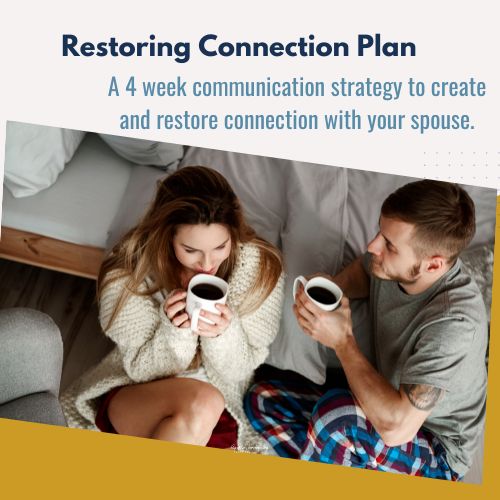
    Do you feel like you are all alone in your marriage?

    Are your schedules so busy with work and taking care of your family that you are simply too tired to connect?

    Wouldn't it be great if you could move from exhausted and alone to connected and supported?

    To feel like you were part of a team?

    Only $49.99.